
Betting on Yourself Not the Game
Why Athletes Need to Understand the Risks of Sports Betting
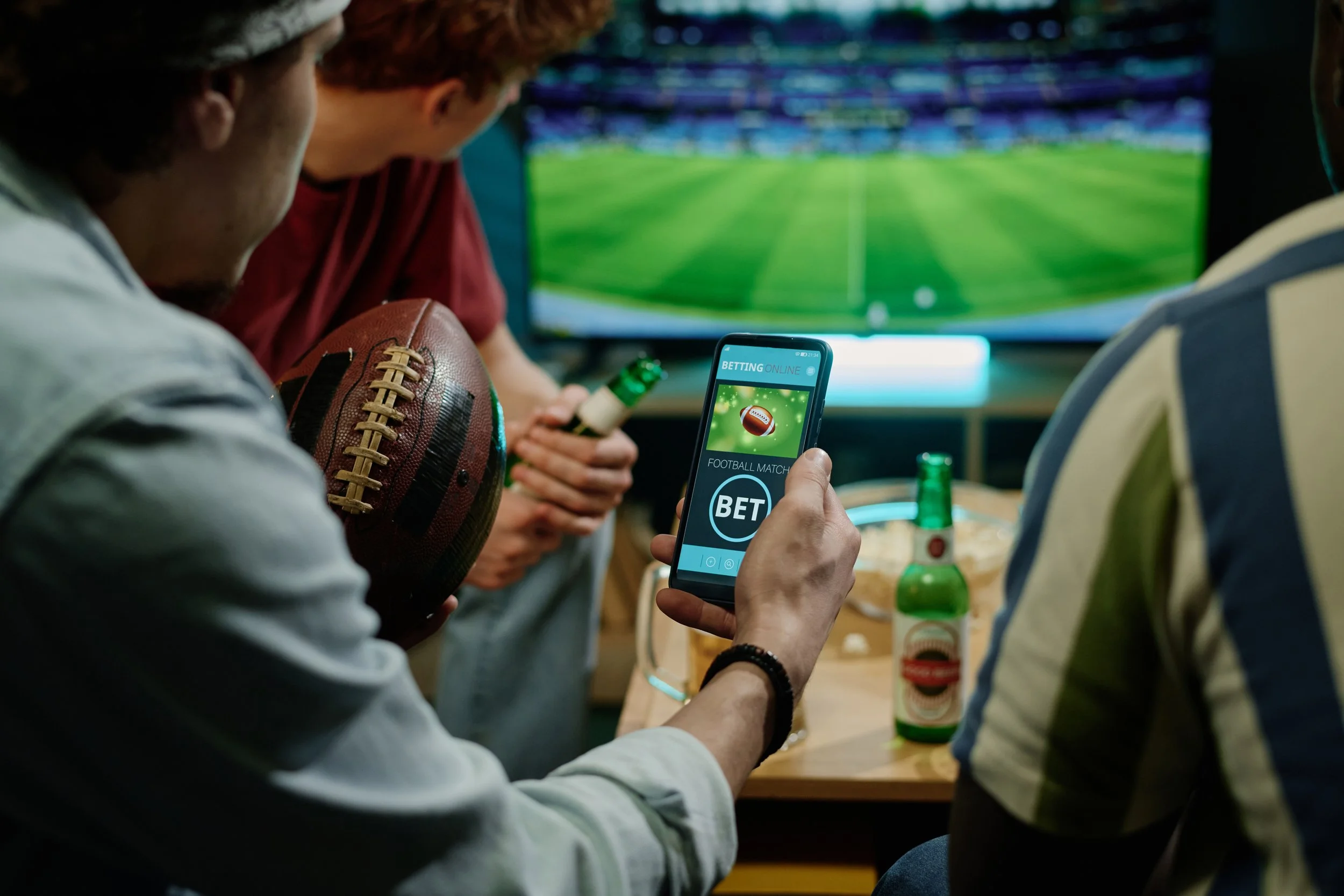
Sports betting is everywhere right now, especially for young adults and athletes.
You cannot watch a game without seeing advertisements promising easy wins or promoting betting apps that claim to make watching sports more exciting. These ads often make gambling look harmless or even glamorous.
As an athlete, you already understand competition. You know the rush that comes from winning and the pride that comes with outperforming others. That same competitive mindset can make sports betting feel like just another challenge.
But when betting moves from entertainment into a habit, the situation can change quickly.
What begins as a small wager with friends can slowly follow you off the field and into your daily life. It can show up on your phone during class, keep you awake at night checking scores, and eventually affect your focus, your finances, and even your relationships.
Problem gambling is not defined by how often someone bets. It becomes a problem when gambling begins to control your decisions and continues even when it is causing harm.
Why Athletes Can Be More Vulnerable to Gambling
Athletes often have qualities that help them succeed in sports but can also increase risk when it comes to gambling.
Competitive drive, confidence, and a willingness to take risks are all traits that help athletes perform at a high level. Unfortunately, these same traits can make betting feel exciting and rewarding.
Student athletes also deal with a unique level of pressure. Balancing academics, training, travel, and performance expectations can be overwhelming. Some athletes turn to gambling as a way to escape stress or distract themselves from pressure.
Another factor is exposure. Sports betting advertisements appear constantly during games and on social media. Former professional athletes sometimes promote betting platforms, which can make gambling seem like a normal part of sports culture.
In reality, gambling is not part of the game. It is a separate industry designed to profit from people who place bets.
Athletes sometimes believe they have an advantage because they understand sports statistics and game strategy. Knowing the game may feel like it gives you an edge.
But gambling systems are designed so that the house always wins over time.
Why Gambling Can Become Addictive
Sports betting affects the brain in powerful ways.
Every time someone places a bet and wins, the brain releases dopamine. This chemical creates the feeling of excitement and reward that makes people want to repeat the experience.
Even coming close to winning can trigger the same response.
Over time the brain adapts. People begin needing larger bets or more frequent gambling to feel the same level of excitement. When they stop betting, they may feel restless, anxious, or distracted.
Because gambling does not have obvious physical signs like substance use, the problem can remain hidden for a long time.
That is one reason gambling addiction often develops quietly before anyone realizes what is happening.
The Real Impact on Athletes
For athletes, gambling can affect far more than just finances.
It can interfere with concentration during practice and competition. It can disrupt sleep and increase stress levels. Relationships with teammates, coaches, and family members may become strained.
In serious situations, gambling can lead to major consequences such as losing athletic eligibility, scholarships, or opportunities within the sport.
Mental health can also suffer. Many people who struggle with gambling experience anxiety, depression, isolation, and burnout.
Recognizing these risks early is one of the most important steps athletes can take to protect their future.

Warning Signs of Gambling Problems in Athletes
Certain behaviors can signal that gambling is becoming unhealthy.
You may be experiencing a problem if you notice patterns such as:
Betting more money than you can afford to lose
Trying to win back money after losses
Hiding gambling activity from friends or teammates
Feeling anxious or depressed when bets do not go your way
Skipping class, practice, or responsibilities because of gambling
Borrowing money or taking loans in order to keep betting
Feeling restless or distracted when you are not gambling
If several of these signs appear, it is important to take them seriously.
Early awareness can make a major difference.
Steps Athletes Can Take to Protect Themselves
If you feel gambling may be becoming a problem, the most important step is to talk to someone you trust.
That could be a teammate, coach, counselor, family member, or mentor. Opening up about concerns can help break the cycle before it grows worse.
There are also practical tools that can help.
Apps such as GamBan or BetBlocker can prevent access to betting sites. Financial tracking tools like Mint or YNAB can help you understand spending patterns and set limits.
Some athletes also choose to involve a trusted adult or mentor in monitoring financial activity, especially during stressful seasons.
Even if gambling is not currently a problem, it is wise to set clear boundaries. Decide in advance how much time or money you are willing to risk and stick to those limits.
Avoid the mindset of chasing losses or trying to win money back.
If professional help is needed, confidential support is available through services such as the National Problem Gambling Helpline at 1-800-MYRESET.
Many college counseling centers also offer support for gambling related concerns.
Protecting the Work You Have Already Done
Being an athlete requires discipline, sacrifice, and commitment.
You have already invested countless hours into training, practice, and competition. You have pushed through early mornings, long workouts, and difficult moments in order to improve.
Gambling can quietly chip away at everything you have worked to build.
Staying focused on your goals means recognizing risks that can interfere with your future.
The most valuable bet you can make is not on a game.
It is on yourself, your goals, and the path you are working so hard to create.
